July 23, 2026
Experiencing a severe flood in your home or business is undoubtedly one of the most overwhelming and stressful situations a property owner will ever have to face. The rising waters leave behind a devastating trail of destruction that requires immediate, professional attention to mitigate long-term structural issues and health hazards. Understanding the step-by-step restoration process can help alleviate some of the profound anxiety associated with cleaning and rebuilding your damaged space. Navigating the timeline and professional execution of water damage repairs allows you to make highly informed decisions for your property's long-term future and stability.
Flooding events have become increasingly frequent and severe across the country over the past several years, catching many homeowners completely off guard. According to Matic, a staggering 87% of insurance executives have voiced notable apprehension regarding upcoming financial losses resulting from violent convective storms. This growing concern among industry leaders highlights the critical importance of being prepared for the immediate aftermath of a major weather event. Prompt intervention by certified technicians remains the single most effective way to protect your financial investment and ensure a safe living environment.
Assessing the Initial Destruction
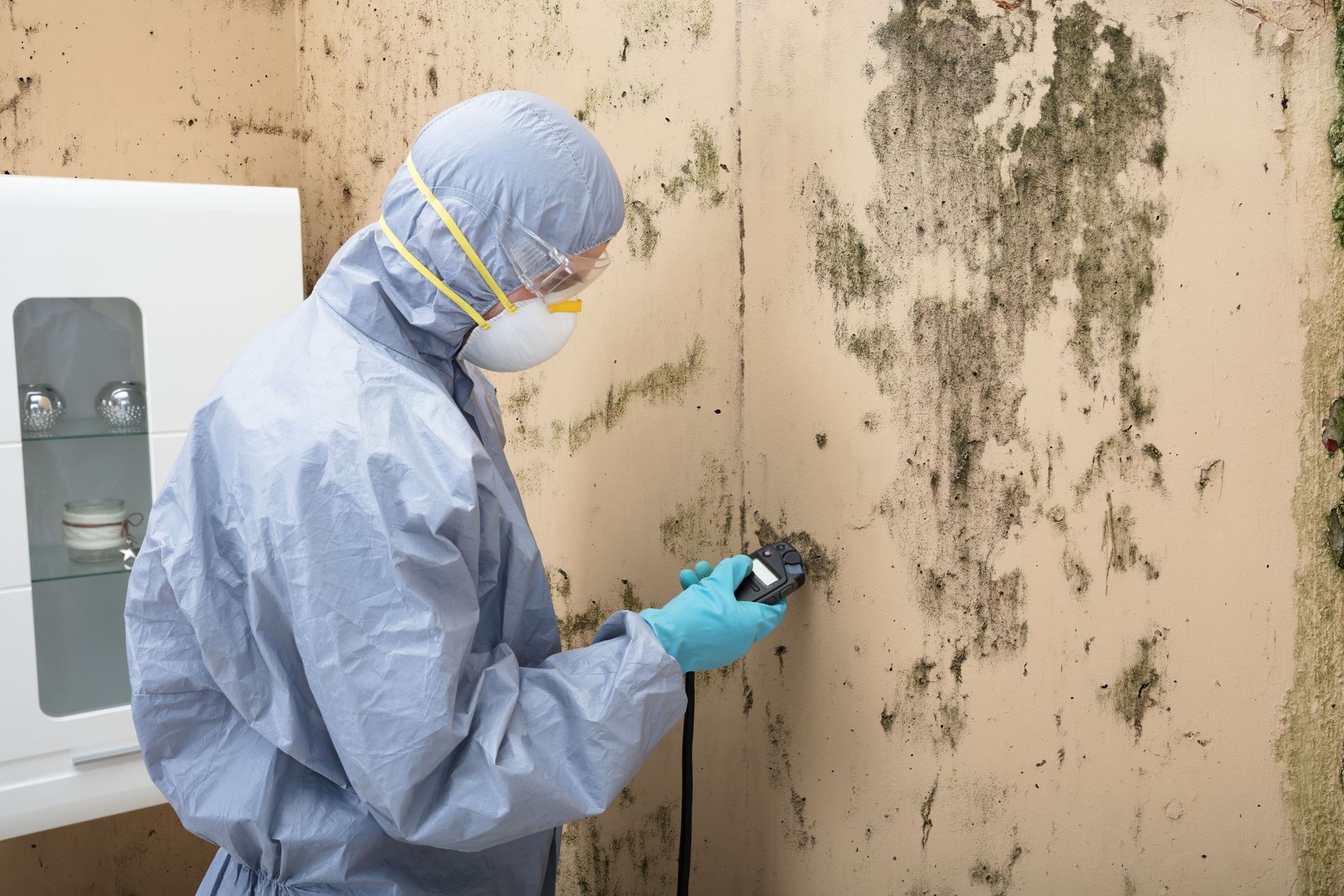
The very first phase of property recovery begins the moment a professional restoration team arrives at your flooded home or commercial building. Technicians must immediately conduct a comprehensive inspection to categorize the type of water contamination and gauge the full extent of the deep moisture penetration. This initial evaluation determines the overall scope of labor required and guides the creation of a customized restoration strategy tailored to your specific architectural layout. Specialized moisture meters, hygrometers, and thermal imaging cameras are utilized to detect hidden pockets of dampness concealed behind walls and underneath flooring materials.
Safety hazards represent the absolute primary concern during this initial walkthrough of the water-logged and unstable structure. Standing water can easily conceal hidden electrical risks, severe structural instabilities, and highly hazardous biological contaminants that pose immediate threats. Experts will carefully turn off the main electrical breakers and inspect for shifting foundations or sagging ceilings before proceeding deeper into the affected building. Identifying these immediate dangers ensures that the subsequent water damage repairs can proceed smoothly without putting the workers or occupants at risk.
Documentation also plays a pivotal and indispensable role during this assessment phase to assist with your upcoming insurance claims process. Technicians will take detailed photographs, record precise moisture readings, and log every single affected item within the home for your records. This meticulous record-keeping provides undeniable evidence of the destruction for your insurance adjuster, which helps expedite your financial reimbursement significantly. Having clear documentation reduces the likelihood of coverage disputes and ensures that no hidden issues are overlooked during the remediation process.
Extracting the Standing Water
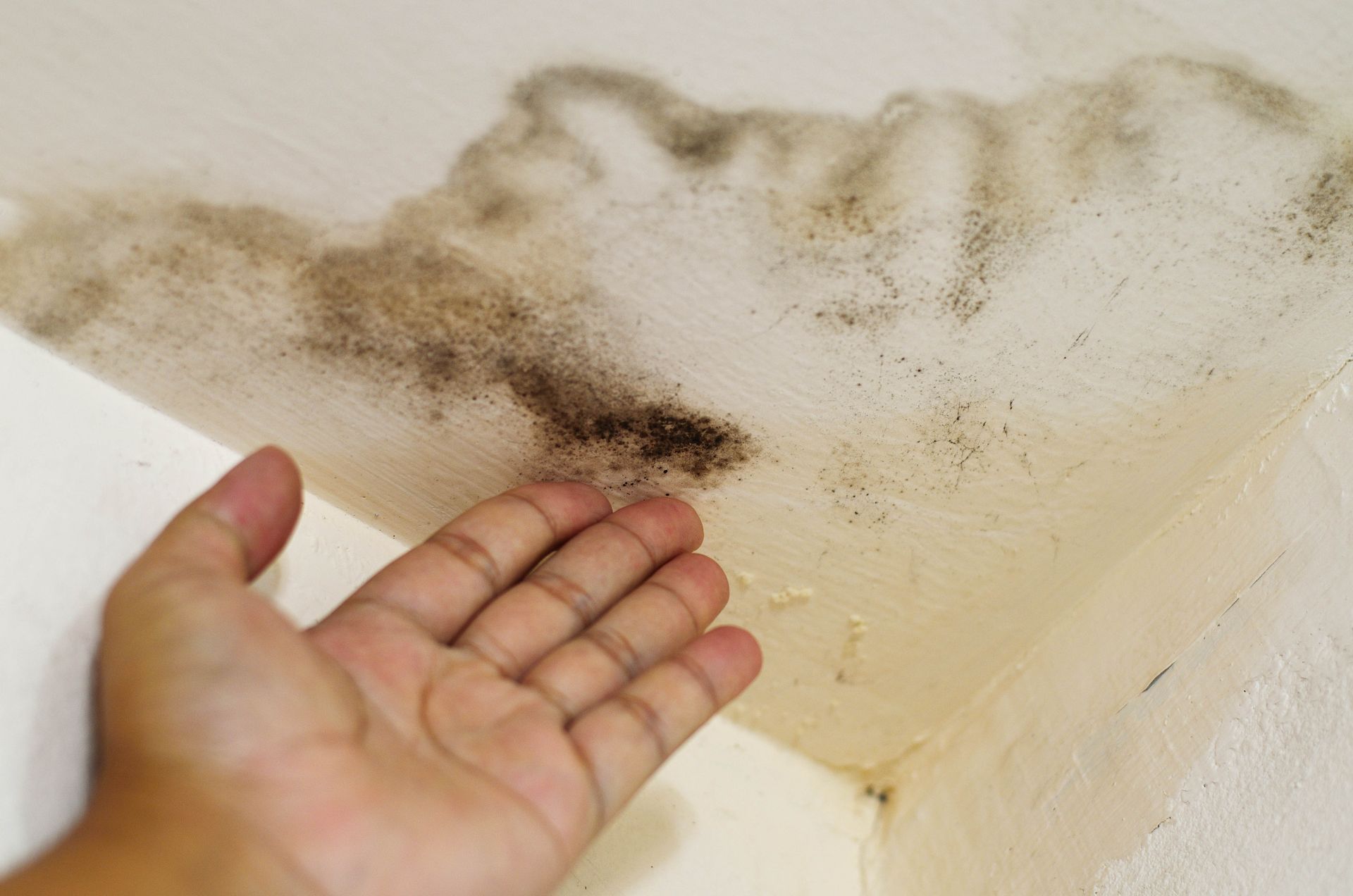
Removing the bulk of the standing liquid is the next critical task that cannot afford any unnecessary delays or hesitation from the crew. Stagnant floodwater acts as a breeding ground for mold, toxic bacteria, and other harmful pathogens within a matter of twenty-four hours. Heavy-duty submersible pumps and truck-mounted vacuum systems are rapidly deployed to pump thousands of gallons of fluid out of the structure. This aggressive extraction process significantly accelerates the overall drying time and prevents the liquid from migrating further into previously unaffected zones.
The efficiency of this extraction phase directly impacts the total financial cost and overall duration of the property recovery efforts. Eliminating standing liquid via physical extraction is hundreds of times faster than attempting to evaporate the moisture using commercial dehumidifiers alone. Technicians will methodically move through every room, drawing liquid out of deep carpet padding, heavy rugs, and porous concrete subfloors. Executing thorough water damage repairs requires this solid foundation of complete water removal before any secondary drying equipment can be effectively utilized.
As the bulk water disappears, the restoration team will simultaneously remove heavily saturated debris that simply cannot be salvaged under any circumstances. Saturated baseboards, wet fiberglass insulation, and ruined upholstered furniture are carefully bagged and hauled away to prevent dangerous cross-contamination. This clearing of debris opens up the airflow within the structure, allowing the remaining moisture to evaporate much more efficiently from the framework. Keeping the workspace clean and organized minimizes safety hazards and streamlines the path toward professional water damage repairs.
Drying the Affected Structures
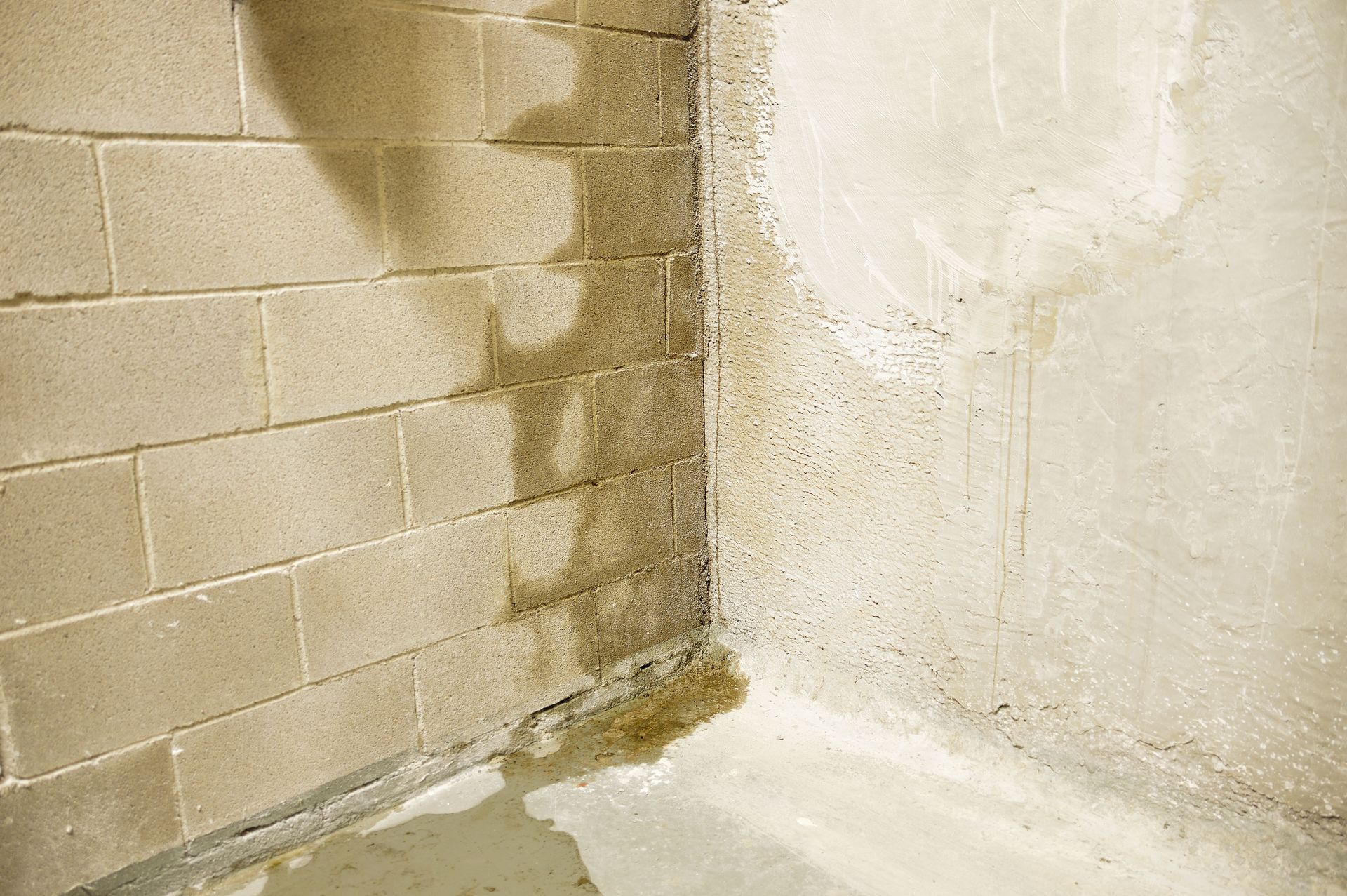
Even after the standing liquid has been completely pumped out, the remaining structural materials will still contain a massive volume of hidden moisture. Deeply embedded dampness in wood framing, concrete blocks, and drywall must be addressed through a scientific process known as applied structural drying. Industrial-grade air movers are strategically positioned throughout the property to create high-velocity airflow across all damp interior surfaces. This continuous air movement forces the trapped moisture out of the materials and into the surrounding atmosphere as vapor.
To prevent this airborne vapor from condensing back onto the walls and ceilings, high-capacity commercial dehumidifiers are run continuously on-site. Refrigerant or desiccant dehumidifiers pull the warm, moist air in, extract the water vapor, and release dry, warm air back into the room. This balanced cycle maintains a low relative humidity environment, which is absolutely crucial for drawing deep-seated moisture out of dense construction materials. Monitoring this environment daily ensures that the property is drying at an optimal rate and that mold growth is actively suppressed.
Technicians will regularly return to the property to take updated moisture readings and adjust the heavy equipment as needed. They monitor the drying progress by comparing the moisture levels of the affected materials against unaffected control samples located in dry areas. Moving the air movers to new positions helps target stubborn wet spots that are slower to release their moisture content into the air. Committing to this rigorous monitoring phase guarantees that the subsequent water damage repairs will be performed on a completely dry and stable foundation.
Restoring the Damaged Property
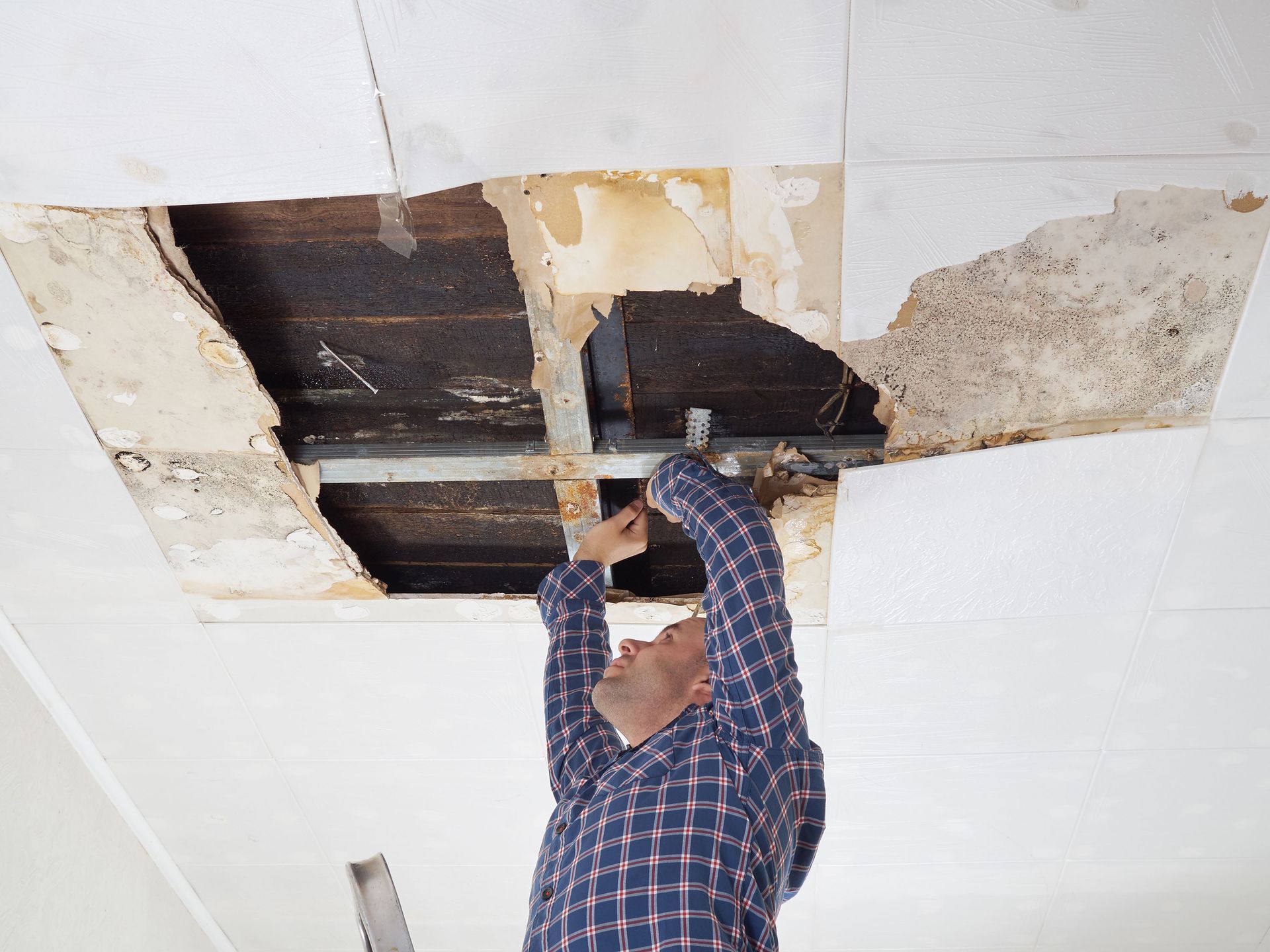
The final phase of the project focuses on rebuilding and returning your living space to its original pre-flood condition. This constructive stage can range from minor repairs, such as replacing a few sheets of drywall, to major structural reconstruction projects. Technicians will install new insulation, hang fresh drywall, tape and texture the surfaces, and apply durable prime coats of paint. Completing comprehensive water damage repairs ensures that all aesthetic and structural elements are fully reinstated to the highest professional standards.
Replacing the flooring is often one of the largest and most transformative steps during this final property restoration phase. New carpeting, luxury vinyl plank, or solid hardwood flooring will be carefully installed over the thoroughly dried and sanitized subfloors. Contractors will also reinstall trim work, decorative baseboards, and interior doors that were removed during the earlier demolition stages. This meticulous craftsmanship helps erase any visual evidence of the disaster, allowing your family to finally regain a sense of comfort.
Before the project can be officially signed off, a thorough cleaning and sanitization process must take place across the entire property. Specialized antimicrobial treatments are applied to all surfaces to eradicate any lingering odors or invisible bacterial colonies left behind by the floodwaters. Conducting these detailed sanitation protocols is an indispensable element of full-scale water damage repairs for any flooded property. This rigorous sanitization effort guarantees that your home is not only visually beautiful but also completely safe and healthy to inhabit.
Recovering from a catastrophic flood requires patience, professional expertise, and a clear understanding of the restoration timeline. From the initial inspection to the final coat of paint, each phase plays a vital role in protecting your property's long-term value. While the process can feel overwhelming, partnering with certified professionals ensures that your property is thoroughly dried, sanitized, and safely rebuilt. Entrusting your home to experts for your
water damage repairs will ultimately save you time, reduce stress, and restore your peace of mind.
If your home or commercial building has recently suffered from a severe flooding event, please do not hesitate to contact our experienced team today. We at A & A Property Restoration are fully equipped with advanced extraction and drying technology to manage every single stage of your recovery process quickly and safely. Let us take the heavy burden off your shoulders and efficiently bring your property back to its beautiful pre-loss condition.