June 24, 2026
Fire damage can be overwhelming for property owners, affecting structures, belongings, and daily routines. Choosing a fire restoration contractor is an important step in the recovery process, particularly when prompt action is needed to limit additional damage. A qualified fire restoration contractor can help address fire-related issues while coordinating cleanup, repairs, and restoration efforts.
Fast Response Importance
Understand Property Impact
The speed of response following a fire can affect the overall condition of a property. Prompt action may help reduce additional damage caused by smoke, soot, or water used during firefighting efforts. Early mitigation can also help preserve affected building materials and support a more efficient restoration process.
Address Health Hazards
Fire damage often leaves behind smoke residue and soot that can affect indoor conditions. Addressing these issues quickly helps remove contaminants from affected surfaces and supports a cleaner environment during restoration. Timely cleanup can also help prepare the property for repairs and occupancy.
Prevent Further Damage
After a fire, additional issues can develop if damage is not addressed promptly. Moisture from firefighting efforts may affect building materials, while exposed areas can become vulnerable to weather conditions. Beginning restoration work quickly helps stabilize the property and reduce the potential for further deterioration.
Qualified Experience Factors
Review Restoration Experience
When evaluating a fire restoration contractor, it is important to understand their experience with fire, smoke, soot, and water-related damage. Fire restoration often involves multiple stages of recovery, including emergency mitigation, debris cleanup, smoke odor removal, structural repairs, and drying services. Experience with these services can help support a more organized restoration process.
Check Track Record
A contractor's history of completing restoration projects can provide valuable insight into their capabilities. Reviewing customer feedback and project information may help property owners better understand how a contractor manages emergency response situations and restoration work. Looking at multiple sources of information can provide a broader perspective.
Evaluate Fire Capabilities
Fire restoration requires more than repairing visible damage. Smoke residue, soot contamination, odors, and water from firefighting efforts can affect multiple areas of a property. A fire restoration contractor should be able to address each stage of the recovery process using appropriate restoration methods.
Consider Business Tenure
Experience gained through years of operation can provide contractors with exposure to a wide range of restoration scenarios. While every project is unique, familiarity with different types of fire damage can help contractors develop practical restoration plans and respond effectively to unexpected challenges. Long-term industry experience can also reflect ongoing involvement in restoration work.
Assist Insurance Claims
After a fire, property owners are often tasked with documenting damage and communicating with insurance providers. Contractors who assist with documentation and restoration reporting can help organize important information needed during the claim process. Clear documentation may help simplify portions of the recovery process.
Essential Equipment Resources
Use Cleaning Equipment
Fire restoration often requires special equipment for cleanup, water extraction, and drying. Contractors should have access to the resources needed to address both fire damage and moisture-related issues that may result from firefighting efforts. Proper equipment can support more efficient restoration activities.
Perform Damage Evaluation
A detailed evaluation is one of the first steps in the fire restoration process. Contractors should assess structural damage, smoke contamination, soot buildup, water intrusion, and other conditions that may affect the property. This information can help determine the scope of restoration work needed.
Remove Smoke and Soot
Smoke and soot can spread throughout a property even when fire damage is limited to a specific area. Cleanup efforts focus on removing residue from affected surfaces and addressing contamination left behind after the fire. Prompt attention to these conditions can help support additional restoration work.
Extract Water and Dry Structure
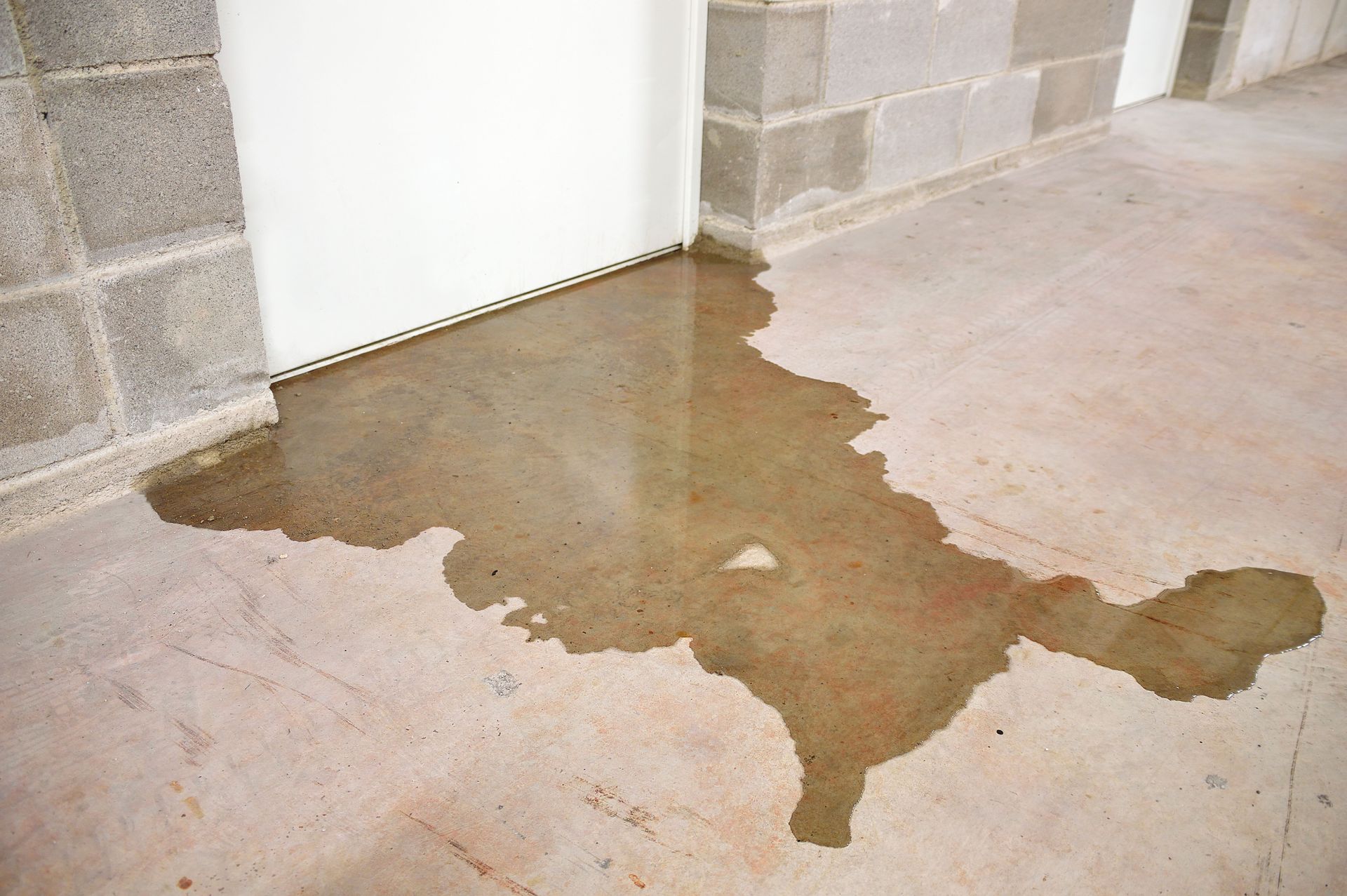
Water damage is a common concern following firefighting efforts. Water extraction and drying services help remove excess moisture and reduce the likelihood of additional damage to building materials. Addressing moisture issues can help prepare affected areas for repairs.
Respond to Emergencies
Fire restoration projects often require a coordinated response that includes cleanup, drying, repairs, and property stabilization. Contractors should have the resources necessary to respond to emergency situations and begin mitigation efforts quickly. Rapid mobilization can be an important part of reducing additional damage.
Safety Compliance Standards
Verify Licensing and Bonding
Licensed and bonded contractors can provide property owners with additional confidence when selecting a restoration company. Verifying these credentials helps ensure that the contractor operates in accordance with applicable requirements. Taking time to review qualifications can support a more informed decision.
Follow Safety Regulations
Following applicable safety regulations helps reduce risks during restoration work. Contractors should implement appropriate safety practices while managing cleanup, repairs, and other restoration activities. Safety considerations can help support both workers and property occupants.
Confirm Insurance Coverage
Contractors should carry appropriate insurance coverage for the services they provide. Verifying coverage before work begins can help property owners understand responsibilities and protections associated with the project. This step can also help avoid misunderstandings later in the process.
Apply Stabilization Measures
Following a fire, protecting the property from additional damage is an important priority. Depending on the situation, contractors may use temporary stabilization measures such as board-up services to help secure the structure. These measures can help limit exposure to outside elements.
Coordinate Fire and Water Work
Many fire losses also involve water damage. As a result, restoration frequently includes both fire-related cleanup and water mitigation services. Addressing moisture quickly can help reduce the risk of additional damage to building materials.
Restoration Service Scope
Plan Initial Assessment
A detailed assessment allows contractors to determine the extent of fire, smoke, soot, and water damage. This information helps establish restoration priorities and develop a plan for moving the project forward. Careful planning can help keep restoration activities organized.
Repair Structural Damage
Addressing structural damage is a fundamental aspect of post-fire restoration. Evaluating and repairing damaged building components helps support safety and long-term property recovery. These repairs are often necessary before normal use of the property can resume.
The scope of structural repairs depends on the extent of the damage and the condition of the property. Careful planning helps prepare the structure for continued use following restoration. Restoration plans may vary based on the severity of damage identified during assessment.
Remove Smoke Odors
Smoke odors can remain long after visible fire damage has been addressed. Odor removal is an important part of the restoration process because lingering smoke smells can affect comfort and usability. Addressing odors can help improve overall indoor conditions.
Customer Communication Value
Review Customer Feedback
Customer feedback can provide useful insight into how a contractor communicates, responds to emergencies, and manages restoration projects. Reviews may help property owners better understand the experiences of previous clients and identify common themes in service delivery. Looking for consistent patterns may help during the evaluation process.
Maintain Communication Protocols
Clear communication is important throughout the restoration process. Contractors should provide updates regarding project progress, timelines, and any changes that may affect restoration activities. Regular updates can help reduce uncertainty for property owners.
According to IBISWorld, the market size of the damage restoration services industry in the U.S. is $7.1bn in 2026. Recovering from a fire often requires prompt action, careful planning, and a fire restoration contractor capable of addressing multiple forms of property damage. By evaluating factors such as response times, available services, communication, and insurance claim assistance, property owners can make a more informed decision during a challenging situation. A & A Property Restoration provides emergency restoration services for fire, smoke, water, flood, and storm-related damage. Learn more about our restoration solutions and how our team can help support your property's recovery.