June 2, 2026
Following a fire incident, the aftermath can be overwhelming and requires immediate action along with specialized restoration work to stabilize and repair the affected property. Fire damage often extends beyond what is visible, impacting structural materials, air quality, and interior contents. A fire restoration contractor helps manage this process through cleanup, mitigation, and rebuilding efforts. Choosing a local fire restoration contractor can improve response times and support more efficient recovery after a disaster.
The restoration industry continues to be a significant part of property recovery work across the country. According to IBISWorld, there are 60,020 businesses in the damage restoration services industry in the United States in 2026. This reflects the scale of demand for fire, water, and related property restoration services across residential and commercial sectors. Within this broader landscape, a local fire restoration contractor plays a key role in helping communities respond to property damage events.
Environmental Conditions and Local Factors
Verify Local Building Requirements
A local fire restoration contractor is familiar with regional building requirements and reconstruction expectations that apply to repair work. This understanding helps guide restoration projects through necessary steps when repairing or rebuilding fire-damaged structures. Working within established local standards supports smoother project progression and coordination during recovery efforts. This familiarity also helps a local fire restoration contractor adapt work plans to meet site-specific requirements efficiently.
Adapt to Local Conditions
Local contractors understand how regional weather patterns and environmental conditions can affect restoration timelines and materials. This helps them plan phases of cleanup, drying, and reconstruction in a way that accounts for potential delays caused by weather exposure or seasonal changes. Adjusting schedules based on local conditions helps maintain steady progress during recovery work. It also reduces the risk of interruptions during critical restoration stages.
Select Common Building Materials
Experience with commonly used local building materials allows contractors to match and restore damaged areas more effectively. This helps maintain consistency in repairs and supports the restoration of structural integrity following fire or smoke damage. Familiarity with these materials also helps streamline sourcing and installation during reconstruction. As a result, restoration work can progress more efficiently from cleanup to rebuilding.
Secure Rapid Access and Response
Proximity allows a local fire restoration contractor to respond quickly after a fire incident. Fast arrival on-site is important for assessing damage, beginning mitigation efforts, and helping reduce the risk of additional deterioration caused by smoke, soot, or water exposure. Rapid response also helps stabilize the property before secondary issues develop. In urgent situations, a local fire restoration contractor can significantly reduce downtime through early intervention.
Coordinate With Local Suppliers
Local restoration teams often coordinate with nearby suppliers to source materials needed for cleanup and reconstruction. This can help keep restoration projects moving efficiently by reducing delays in obtaining necessary supplies. Strong supplier relationships also support consistent access to materials throughout the project timeline. These connections help maintain continuity from initial mitigation through final repairs.
Specialized Restoration Services
Perform Fire Damage Cleanup and Repair
A local fire restoration contractor provides fire damage cleanup and repair services that address debris removal, soot removal, and structural stabilization. These efforts focus on restoring affected areas and preparing the property for rebuilding work. Cleanup is typically one of the first stages in the restoration process following fire damage. A local fire restoration contractor ensures these steps are handled in a structured and timely manner.
Mitigate Water Damage
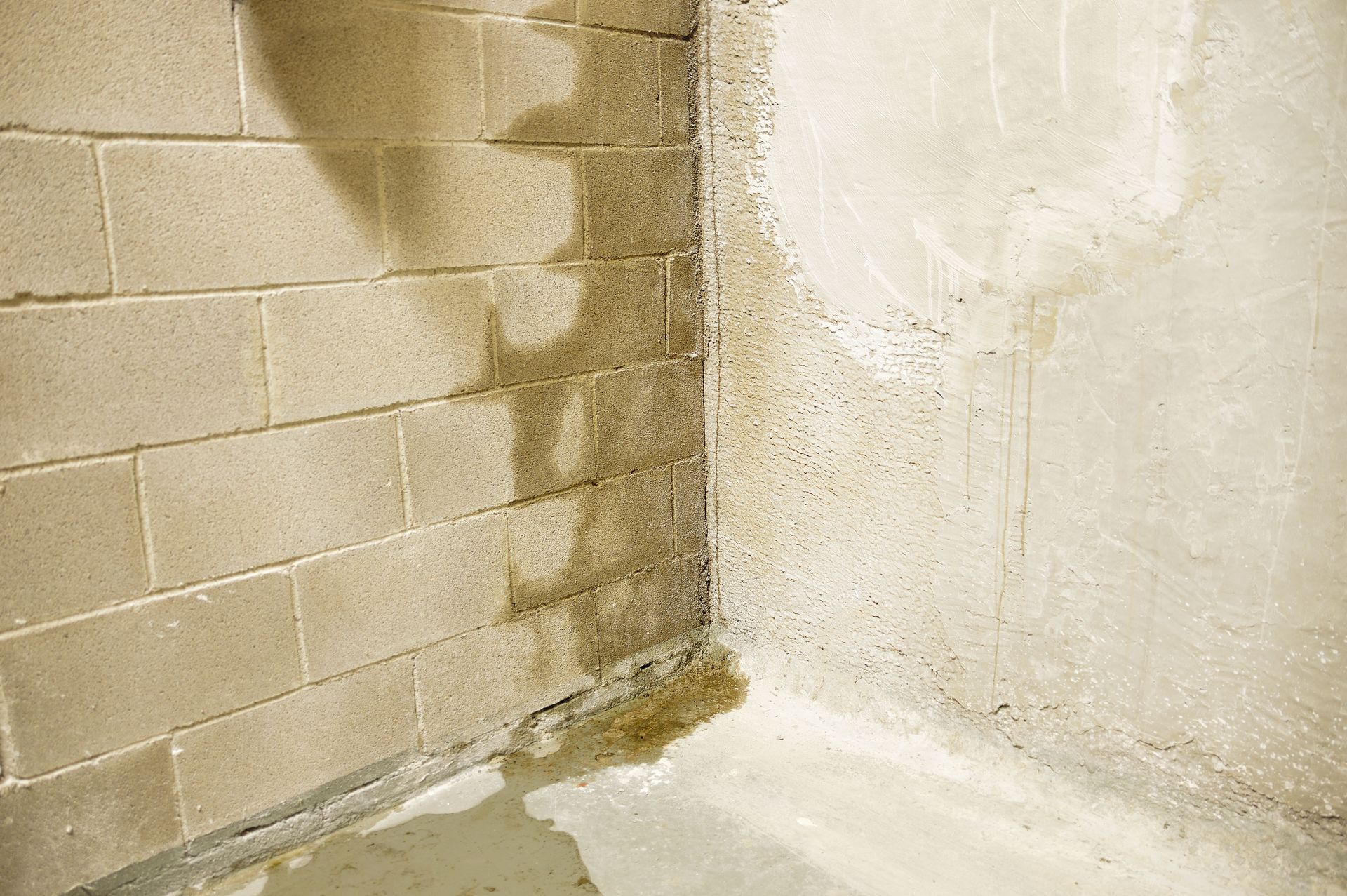
Water damage often occurs as a result of firefighting efforts or related plumbing issues. Restoration work may include water extraction, drying affected areas, and addressing moisture buildup to help prevent further structural concerns. These steps are important in preventing long-term damage to building materials. Proper moisture control also supports safer conditions for subsequent repair work.
Treat Smoke and Odors
Smoke damage can spread throughout a property, affecting walls, furnishings, and ventilation systems. Restoration services may include cleaning soot residue and treating affected areas to reduce lingering smoke odors. These processes help improve indoor air quality and restore livable conditions. Odor treatment is often necessary even after visible damage has been addressed.
Respond to Storm and Secondary Damage
Some restoration projects also involve damage caused or worsened by storms, including wind or water intrusion. Contractors may assist with temporary stabilization measures such as board-up services or protective coverings to prevent further damage. These measures help protect exposed areas until permanent repairs can be completed. Secondary damage prevention is an important part of overall property recovery.
Remove Mold Growth
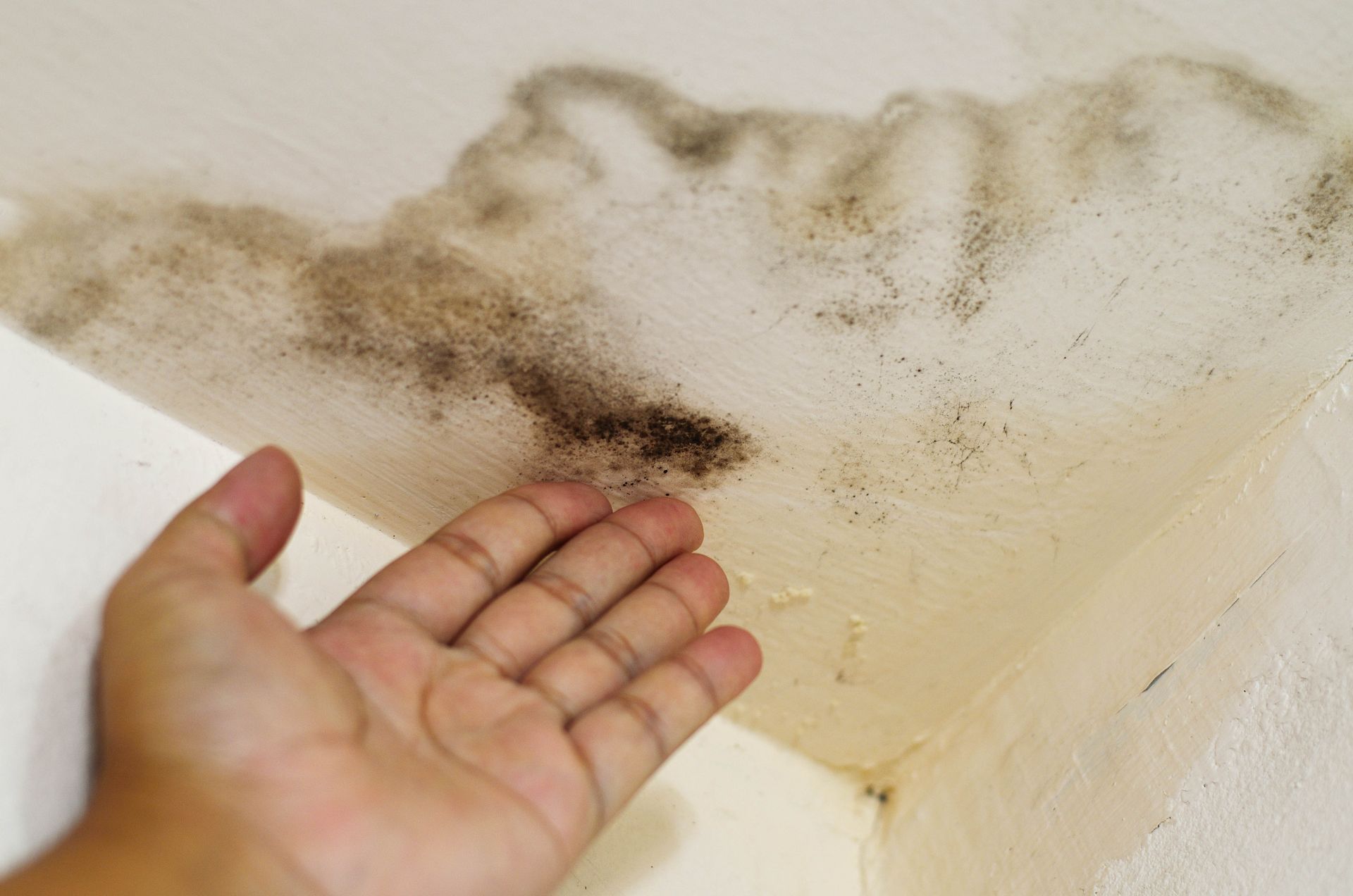
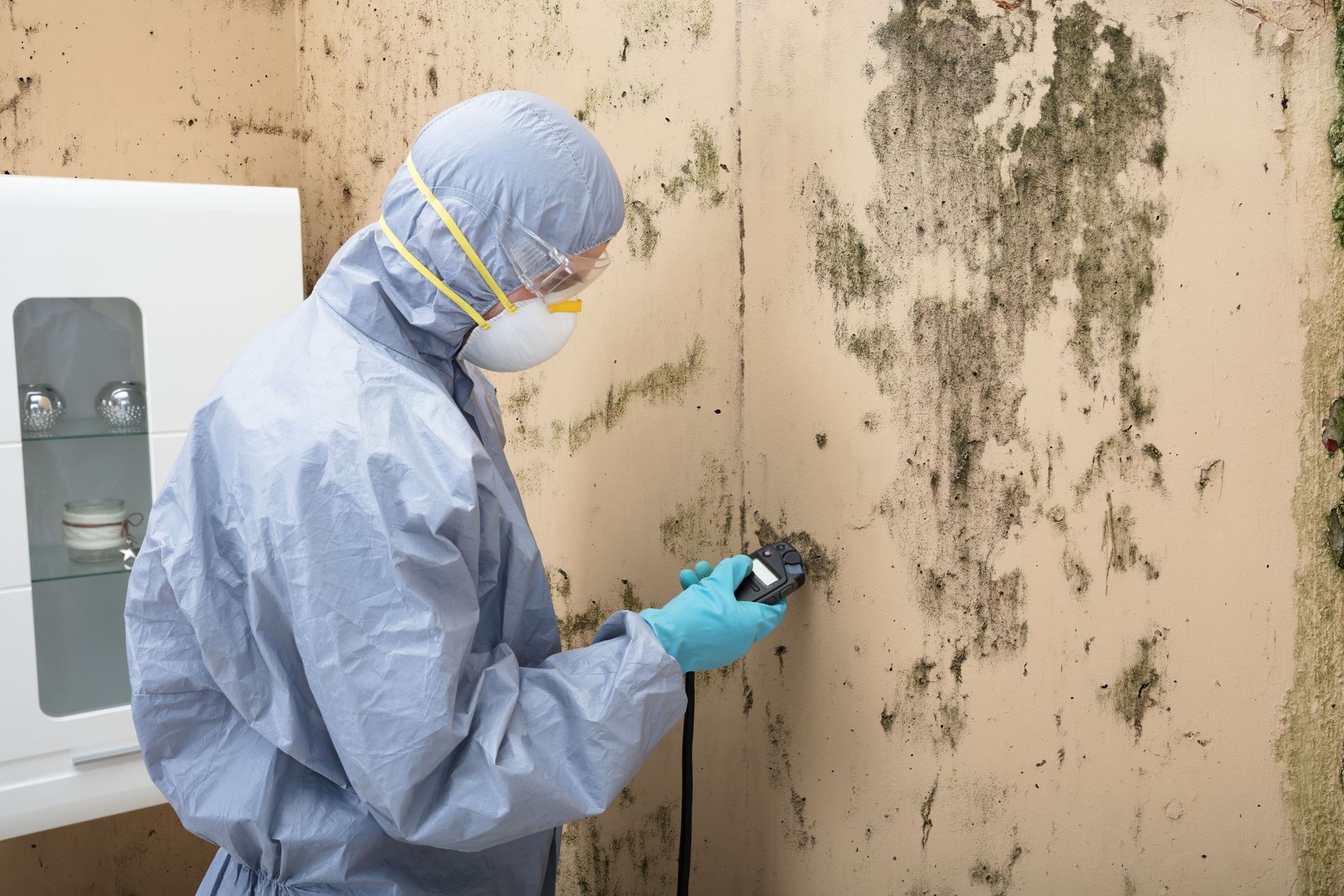
Moisture left behind after fire suppression or water damage can lead to mold growth. Restoration work may include identifying affected areas, removing contaminated materials, and treating surfaces to support a safer environment during recovery. Addressing mold early helps prevent further structural and indoor air quality issues. This step is often integrated into broader water and fire restoration efforts.
Rebuild and Restore Structures
After initial cleanup and mitigation, reconstruction work focuses on restoring damaged areas of the property. This may include repairing structural components, interior finishes, roofing, siding, and other building elements impacted by the fire. Reconstruction helps return the property to a functional condition after damage has been addressed. This phase often represents the final stage of restoration work.
Efficient Project Coordination Processes
Assess Damage and Plan Work
A detailed assessment of fire and smoke damage helps determine the scope of restoration work required. This process supports the development of a clear plan for cleanup, repair, and reconstruction activities. Accurate assessments help ensure that all affected areas are properly addressed. Planning also helps organize the sequence of restoration work.
Coordinate Restoration Teams
Restoration projects often require coordination between cleanup crews, repair specialists, and material suppliers. Organized project management helps keep work progressing in a structured and efficient manner. Clear coordination reduces delays between different stages of restoration. It also helps ensure consistent communication among all involved teams.
Manage Scheduling and Progress
Careful scheduling helps ensure that each phase of restoration is completed in a logical sequence. This includes mitigation, cleanup, drying, repairs, and final reconstruction work. Proper scheduling helps maintain momentum throughout the project. It also supports timely completion of each stage.
Rapid Response and Recovery Actions
Provide Emergency Availability
A local fire restoration contractor often provides emergency availability to respond quickly after fire damage occurs. A local fire restoration contractor can secure the property and begin initial mitigation efforts to reduce further damage. This immediate response is important for protecting structural integrity and limiting secondary issues. Rapid action helps stabilize conditions before full restoration begins.
Conduct Fast Damage Evaluation
Early evaluation of fire and smoke damage allows restoration teams to identify affected areas and determine the necessary steps for cleanup and repair. A local fire restoration contractor can complete assessments quickly due to proximity and accessibility. A local fire restoration contractor uses these evaluations to guide the restoration process efficiently. Quick assessments help move the recovery process forward without unnecessary delays.
Hiring a local fire restoration contractor can help streamline recovery after fire damage by providing prompt response, organized cleanup, and structured repair work from start to finish. From initial mitigation through reconstruction, these teams help address fire, smoke, water, and related damage in a coordinated way that supports a smoother return to normal. Their services are designed to manage both immediate hazards and longer-term restoration needs following a fire event. A local fire restoration contractor supports efficient recovery efforts while helping restore safety and function to affected properties. To learn more about available restoration services, visit A & A Property Restoration.