September 28, 2026
The consequences of ignoring water damage extend far beyond aesthetic blemishes. Moisture acts as a catalyst for compounding structural and health crises. Delaying action allows the underlying issues to fester, multiplying the overall destruction and financial burden. Property owners who fail to address moisture issues in a timely manner face compounding difficulties that jeopardize the integrity of their investments. Recognizing these hidden perils is essential for maintaining a safe and stable environment. Understanding these consequences highlights the sheer necessity of immediate intervention and thorough water damage repairs.
Recognizing the Threat of Structural Compromise
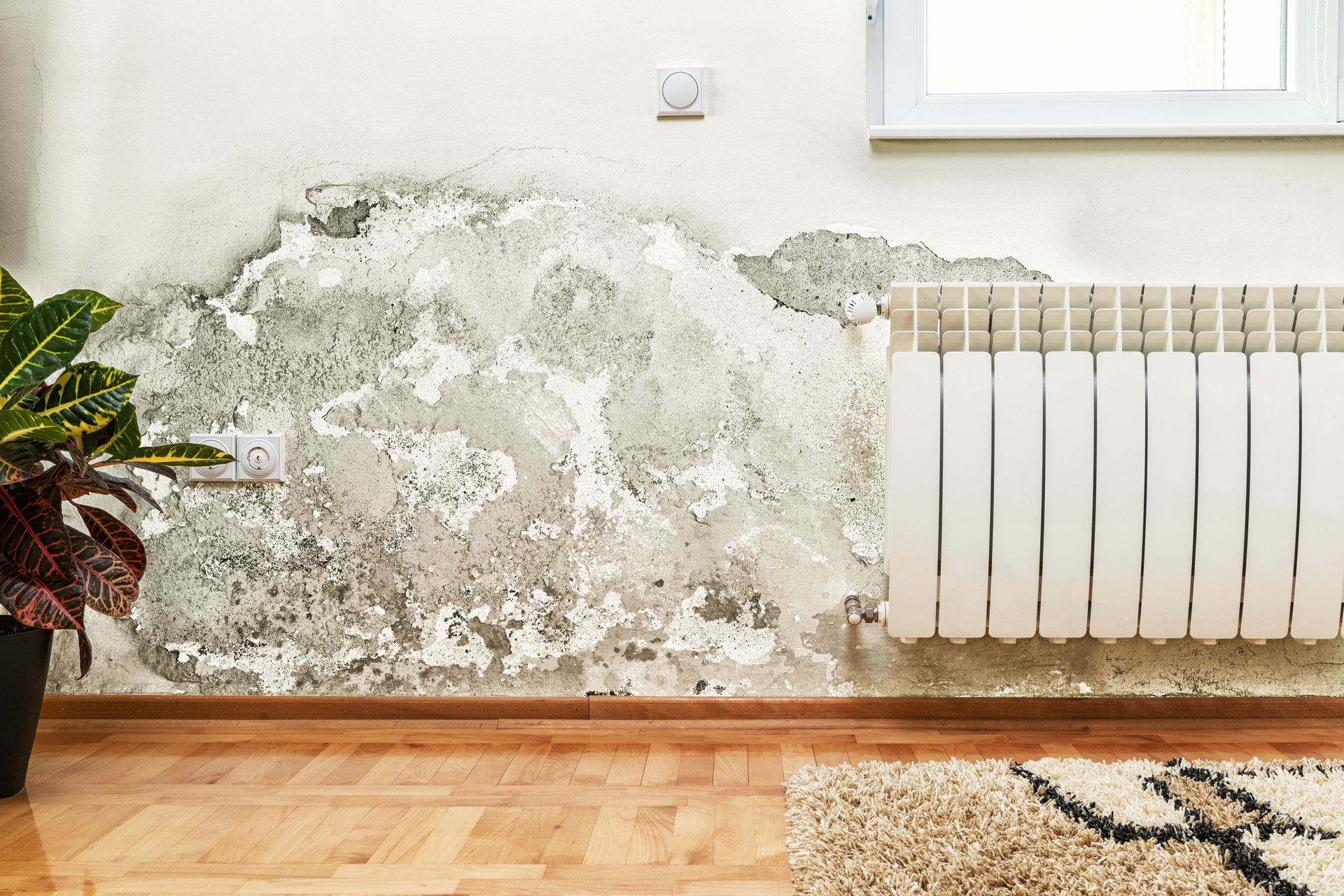
The structural integrity of a building relies on dry, solid materials. When wood, drywall, and concrete absorb moisture, they lose their strength and load-bearing capabilities. Wooden beams begin to warp and rot, while drywall turns soft and crumbles. This degradation occurs out of sight, hiding behind pristine walls or beneath floorboards. Property owners remain oblivious to the rotting framework until significant buckling or collapsing occurs, threatening the stability of the home.
As moisture continues its relentless advance, the foundation itself faces severe jeopardy. Soil expansion caused by excess moisture puts immense pressure on concrete slabs and foundation walls. This hydrostatic pressure creates deep cracks, compromising the entire base of the structure. Such foundational shifts lead to uneven floors, sticking doors, and fractured walls throughout the property. Correcting foundational shifts demands extensive and disruptive construction efforts, requiring massive financial resources.
Roofs and attics also suffer profound degradation from unchecked moisture. Roof leaks introduce water into insulation, rendering it useless and heavy. The added weight strains ceiling joists, increasing the likelihood of a ceiling collapse. Saturated insulation holds moisture against wooden trusses, accelerating the rotting process. This overhead decay creates a hazardous environment for anyone who resides beneath it, turning the attic into a danger zone.
Mitigating these structural failures requires professional intervention before the decay becomes irreversible. Experts must assess the compromised materials and implement comprehensive water damage repairs. Delaying these essential restorative efforts guarantees that the structural components will fail, putting lives at risk. A compromised building frame poses a lethal threat to occupants, making swift action non-negotiable for any responsible property owner.
Understanding the Risks of Biological Hazards
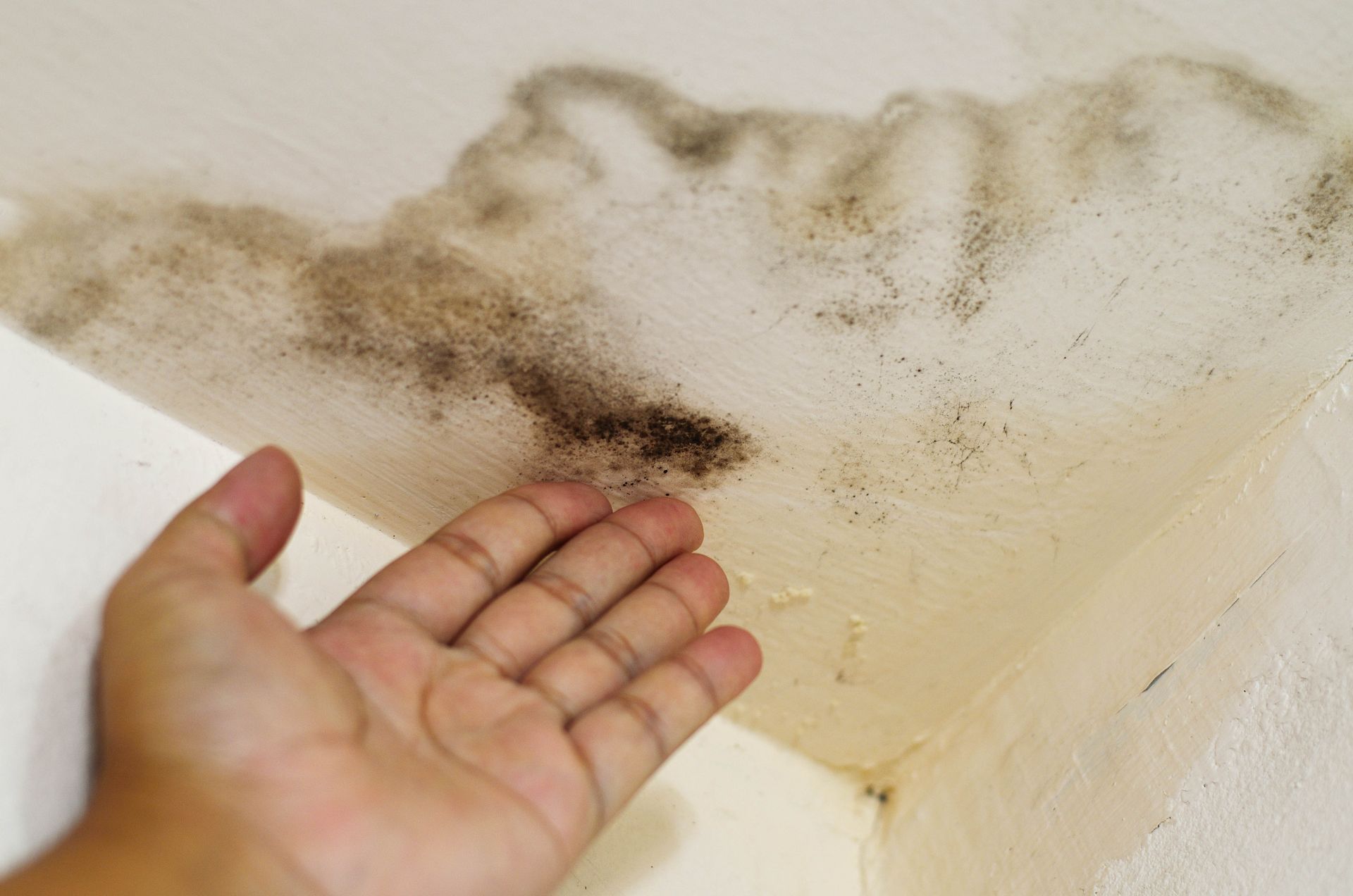
Stagnant water and persistent dampness create an ideal breeding ground for harmful microorganisms. Mold and mildew spores thrive in dark, humid spaces, colonizing within a short period of moisture exposure. These fungi spread through HVAC systems, contaminating the air supply of the whole building and causing foul odors. The presence of mold indicates a severe environmental hazard that requires immediate remediation. Left unchecked, these colonies consume the building materials they inhabit, destroying the aesthetic appeal of the interior.
The health implications of indoor mold growth are severe and varied. Inhabitants exposed to mold spores experience respiratory distress, allergic reactions, and chronic fatigue on a regular basis. Vulnerable individuals, such as children and the elderly, face heightened risks of severe medical complications. The toxic byproducts of certain mold species, known as mycotoxins, induce neurological and immunological issues. Ignoring moisture equates to endangering the health of all building occupants, turning a sanctuary into a health hazard.
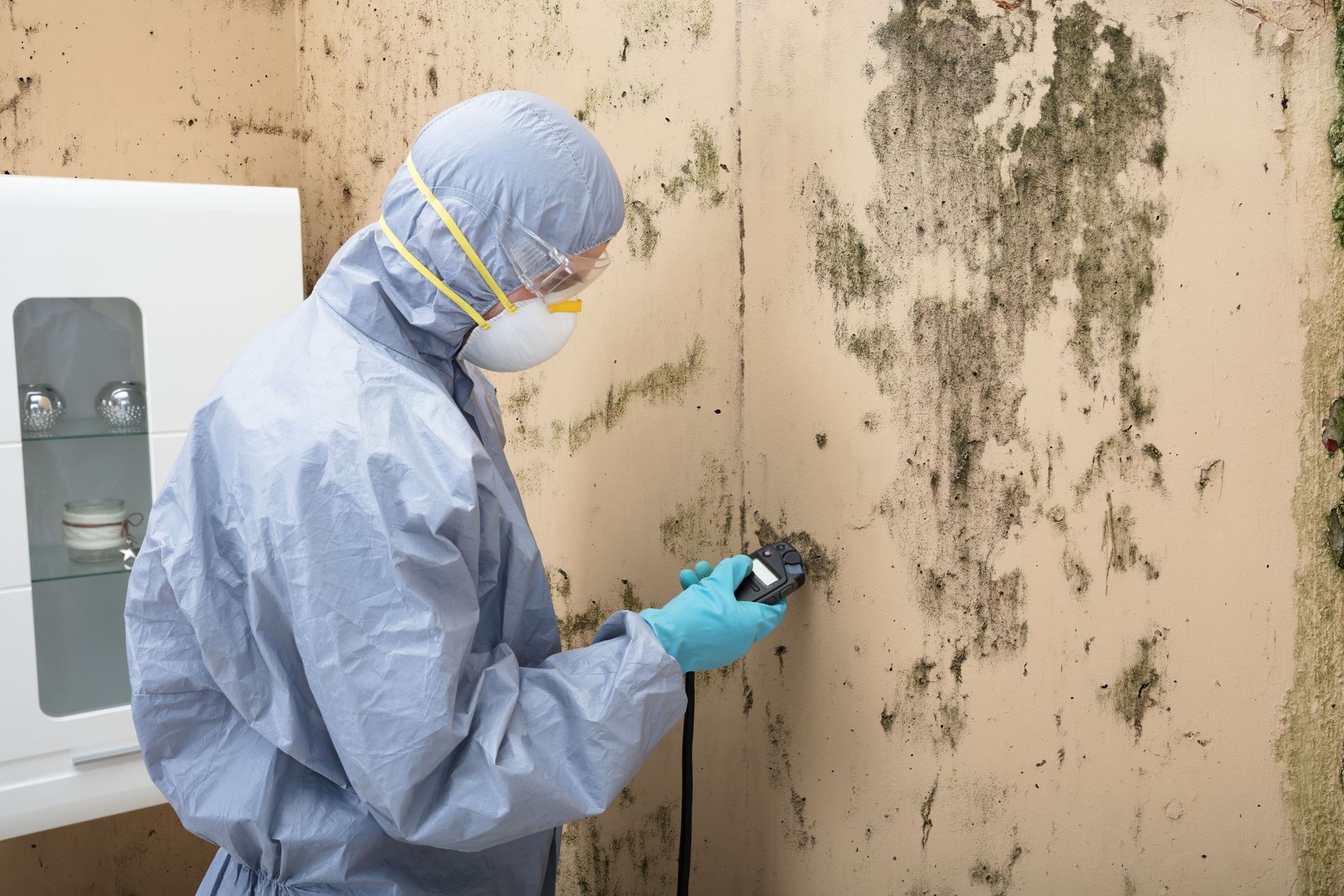
Eradicating mold infestations involves more than surface cleaning. Fungal roots penetrate porous materials like wood and drywall, making superficial treatments ineffective and inadequate. Professionals must remove and dispose of the affected materials to prevent a resurgence. This intensive removal process adds a layer of complexity to property restoration projects. Failing to extract the roots guarantees that the biological hazards will return, requiring duplicate efforts in the future.
Addressing biological hazards necessitates eliminating the source of the moisture. Without fixing the leak or drying the area, mold remediation efforts remain futile and a waste of resources. Specialists combine mold removal with thorough water damage repairs to restore a safe indoor environment. Executing these steps with precision ensures that the property returns to a habitable state, free from hidden biological threats and ready for safe habitation.
Identifying the Perils of Material Degradation
Beyond the primary framework, moisture wreaks havoc on finishing materials and belongings. Hardwood floors cup, warp, and detach from the subfloor when exposed to standing water for prolonged durations. Carpets absorb contaminated water, trapping debris and bacteria deep within their fibers and creating unsanitary conditions. Upholstered furniture and textiles act like sponges, pulling moisture from the air and developing foul odors. These aesthetic and functional losses diminish the comfort and value of the property beyond measure.
The financial toll of material degradation accumulates at an alarming rate for property owners. Replacing custom cabinetry, high-end flooring, and specialized insulation requires substantial capital and effort. According to Ruby Home, an online real estate resource, around 29% of home insurance claims are due to water damage. This staggering statistic underscores the widespread and costly nature of moisture-related property destruction across residential areas. Insurance policies may deny coverage if the owner demonstrated negligence by ignoring the initial leak.
Moisture intrusion degrades the vital insulating layers of a structure in hidden ways. Wet fiberglass and cellulose insulation lose their thermal resistance, becoming heavy, soggy masses. This loss of efficiency forces heating and cooling systems to work harder to maintain comfortable temperatures throughout the seasons. As a result, utility bills surge, adding a recurring financial burden on top of the impending restoration costs. Replacing compromised insulation becomes a mandatory step in the recovery process to restore energy efficiency.
Restoring a property requires replacing all degraded materials to ensure long-term stability and visual appeal. Contractors must strip away ruined drywall, flooring, and insulation before rebuilding the affected rooms. This demolition phase is a crucial component of effective water damage repairs. Attempting to salvage ruined materials masks the underlying problems, paving the way for future failures and additional financial losses for the property owner.
Acknowledging the Dangers of Electrical Malfunctions
The combination of moisture and electrical systems presents an immediate and lethal danger to anyone inside. Moisture serves as an efficient conductor of electricity, making wet environments unpredictable. When leaks reach wall cavities containing wiring, the risk of electrocution surges to terrifying levels. Anyone who touches a damp wall or operates a compromised appliance faces a severe risk of electric shock. This invisible threat makes entering a wet property a perilous endeavor that requires extreme caution.
Moisture corrosion degrades the protective insulation surrounding electrical wires inside the walls. Exposed wiring creates short circuits, which generate sparks and excessive heat within enclosed spaces. These short circuits serve as the primary ignition source for electrical fires in compromised homes. A house suffering from moisture problems can ignite without warning, leading to total property devastation. Fire hazards remain among the most severe consequences of ignored leaks, threatening nearby properties as well.
Water intrusion destroys expensive electrical appliances and HVAC units connected to the grid. Moisture compromises the delicate circuit boards and motors within refrigerators, furnaces, and televisions. Operating these devices after moisture exposure guarantees catastrophic failure and potential fire outbreaks in the living spaces. Replacing these sophisticated systems adds immense financial strain to the property owner, inflating the disaster budget. Protecting these assets requires keeping the environment dry and secure at all times.
Securing a building from electrical hazards demands professional inspection and restoration by skilled technicians. Electricians must evaluate the system and replace all compromised components to meet safety standards. This specialized electrical work must occur in tandem with comprehensive water damage repairs. Failing to address the electrical dangers leaves the property in a hazardous state, susceptible to sudden fires and catastrophic system failures that risk human life.
Maintaining a safe and secure property demands vigilance and proactive measures from all property owners. Hiring certified professionals to execute thorough water damage repairs safeguards the structure and its occupants against future catastrophes. Acknowledging the hidden perils of moisture empowers property owners to take decisive action, preserving the value and safety of their investments for years to come. When you notice signs of moisture intrusion, reach out to us at A & A Property Restoration right away. We are fully equipped to complete your water damage repairs and safeguard your property from these hidden hazards.