August 25, 2026
This article explores the crucial indicators and repair strategies for hidden water damage found behind walls, a topic relevant for homeowners and property managers alike. Not only do these hidden damages compromise the structural integrity of your home, but they can also lead to potential health risks, including mold. Understanding the signs can help prevent extensive damage and costly water damage repair. Therefore, an early identification and intervention are key to preventing more serious issues.
1. How Can You Identify Hidden Water Damage?
1.1 Visible Signs on Walls and Ceilings
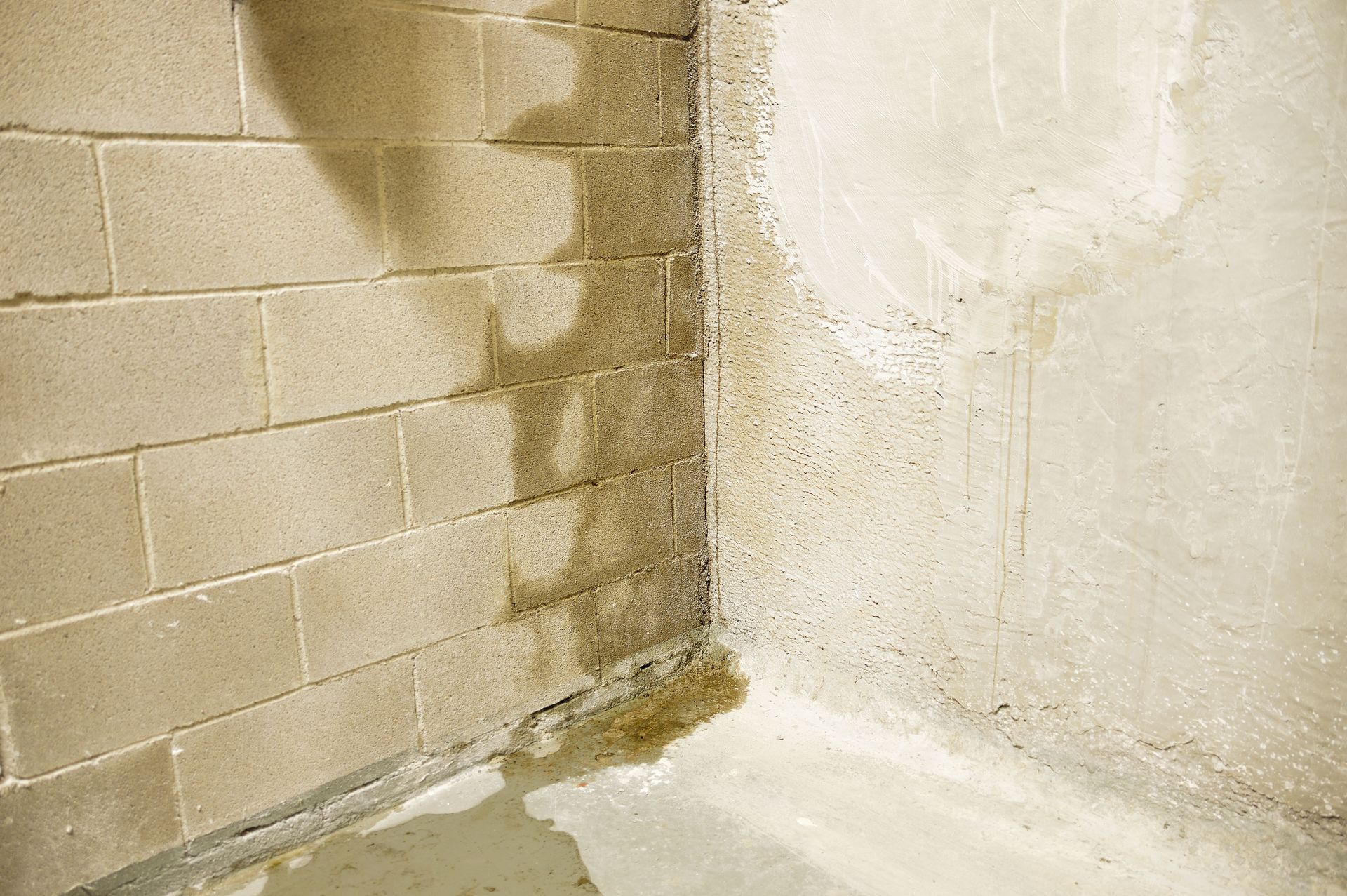
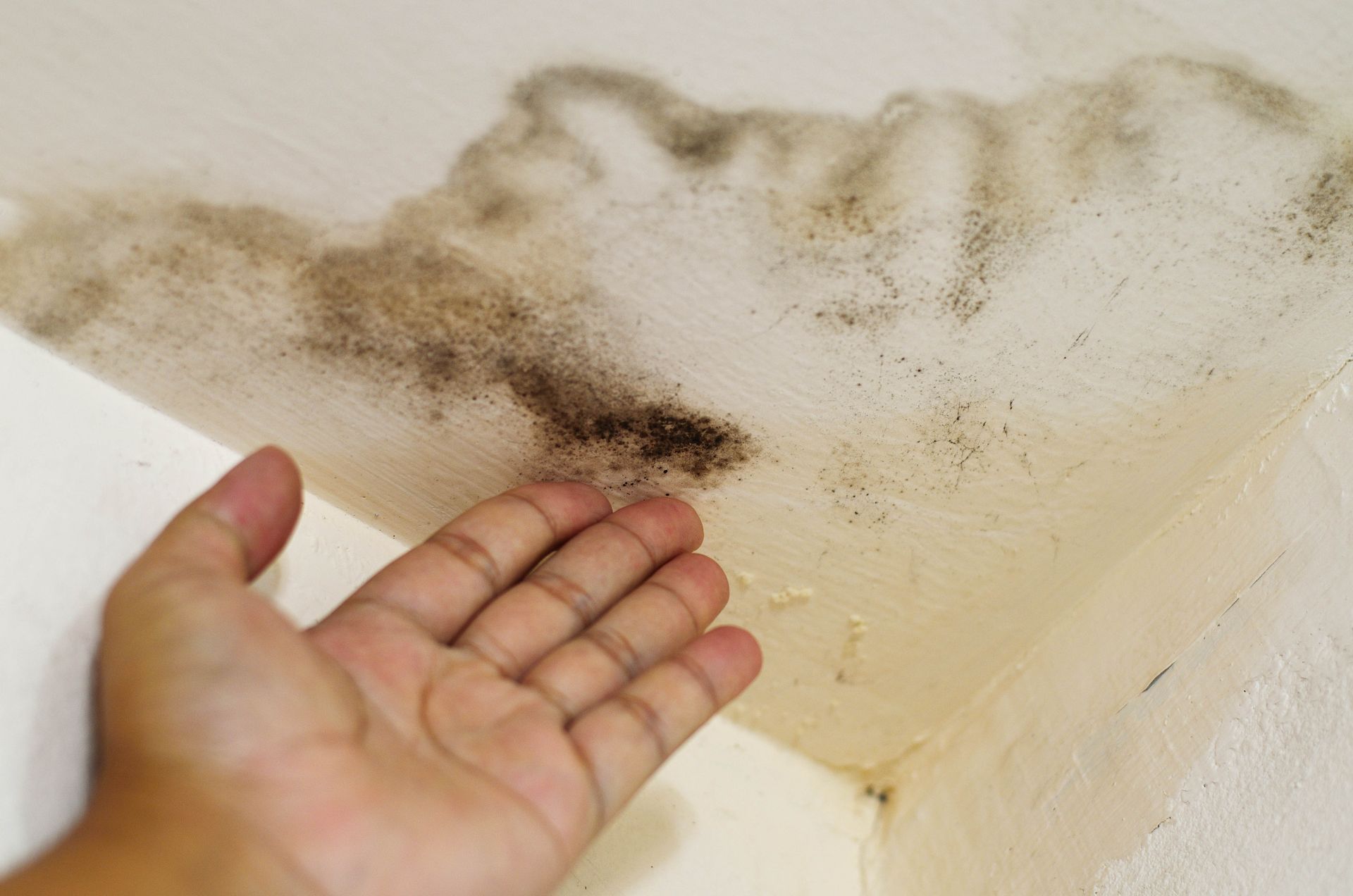
Identifying water damage often begins with spotting visible signs on walls and ceilings. Look for discoloration or stains that might appear as yellow, brown, or copper-colored marks. These marks are indicative of water penetration and should never be ignored. Additionally, bulging, warping, or peeling paint or wallpaper can also signify the presence of moisture behind the wall.
Besides discoloration, water damage can create a moist environment that is conducive to mold growth. You might notice dark spots or patches appearing and growing at a rapid pace. According to the EPA, mold can start growing within 24 to 48 hours after water damage. Not only does mold damage aesthetics, but it also poses health risks to those with respiratory issues.
Moreover, if the paint on your walls starts to blister or if the wallpaper begins to peel or bubble even after being freshly applied, these could be clear signs of moisture lurking behind the surfaces. Such deformities often occur when there is prolonged exposure to moisture. Carefully inspecting these abnormalities can help in early detection and prompt water damage repair. Do not hesitate to probe further if these signs are noticed.
1.2 Changes in Floor Texture or Color
Another indicator of hidden water damage is changes in floor textures or color. Wood floors may start to warp, buckle, or cup, while tiles might become loose or show signs of cracking. These changes often arise because of prolonged exposure to moisture emanating from unseen leaks behind the walls. This can lead to structural issues if not addressed promptly.
Laminated or carpeted floors may develop dark, damp spots or mold if water has seeped through the floor materials. You might also observe an unusual "spongy" or "soft" feeling underfoot in areas that experience frequent moisture exposure. This happens because the subflooring absorbs moisture, leading to compromised structural support. Effective water damage repair should encompass floor restoration to maintain home safety standards.
Furthermore, stained or discolored grout lines in tiled areas could signal underlying water issues. This discoloration often occurs when water escapes into the spaces between tiles, promoting mold and mildew growth. Regular checks and early repairs can prevent costly floor replacements. Identifying these issues early on reduces the risk of significant property damage and ensures healthy living conditions.
1.3 Unusual Odors Indoors
The presence of persistent musty or damp odors indoors can be a tell-tale sign of hidden water damage. While these smells are sometimes mistaken for poor ventilation, they could actually result from mold or mildew growth behind walls caused by excess moisture. Such odors are critical early warning signs that should prompt further investigation.
Mold and mildew thrive in dark and damp conditions, often growing out of sight behind walls or under floors. As they proliferate, they release volatile organic compounds that produce distinct odors. If you notice a consistent musty smell, it indicates active mold and microbial growth which requires immediate redress to prevent health issues. Addressing these odors promptly is vital to effective water damage repair.
Regular cleaning or air fresheners may temporarily mask these odors but will not eliminate the root cause. Effective management involves pinpointing the source of moisture and mitigating it. Utilizing professional odor mitigation and water damage repair can restore your living space to a healthy and pleasant state. This approach ensures long-term resolution rather than temporary relievers.
2. What Are the Common Causes of Hidden Water Damage?
2.1 Leaky Pipes or Plumbing Fixtures
Leaky pipes and malfunctioning plumbing fixtures rank high among the most common causes of hidden water damage. These leaks often occur inside walls or ceilings, creating an ideal environment for mold and mildew growth. A complex network of plumbing lines, especially in older homes, can age or corrode, leading to minor drips that are easily overlooked. This gradual leakage over time can cause extensive damage and necessitate urgent water damage repair.
Even small drips from plumbing fixtures can contribute to significant issues when compounded over time. These occasional leaks may go unnoticed until they become severe, compromising structural integrity. The humidity generated from such leakage paves the way for mold, particularly in confined spaces like behind walls. It underscores the necessity for regular checks and timely repairs.
Furthermore, improper installations or worn-out seals contribute to plumbing leaks. Regular maintenance checks can help identify these potential hazards early. Proactive water damage repair strategies save costs linked to major destructive repairs. Investing in quality materials and professional installations also mitigates risks associated with leaks.
2.2 Inadequate Sealing in Bathrooms or Kitchens
A lack of adequate sealing in areas like bathrooms and kitchens can lead to surreptitious water seepage. Grout and caulk are designed to create water-tight seals; when they fail, water can infiltrate behind tiles or wall paneling, instigating hidden damage. Wet areas require higher attention to sealing due to consistent exposure to moisture.
Caulk and grout degrade over time, resulting in minute gaps that allow water penetration. These gaps often go unnoticed until they culminate in damaging conditions requiring repair. Maintaining the integrity of grout or caulking is crucial to preventing these leaks and ensuring effective water damage repair. Routine inspection and maintenance contribute significantly to durability.
Prolonged exposure to moisture in inadequately sealed spaces can also result in cracked tiles or warped surfaces. These problems worsen the longer they continue unchecked, leading to costly repair and water damage communities. Professional re-grouting and re-caulking should be considered every 2-3 years as part of preventive maintenance strategies to safeguard against hidden damage.
3. How to Confirm Water Damage Behind Walls?
3.1 Use of Moisture Meters
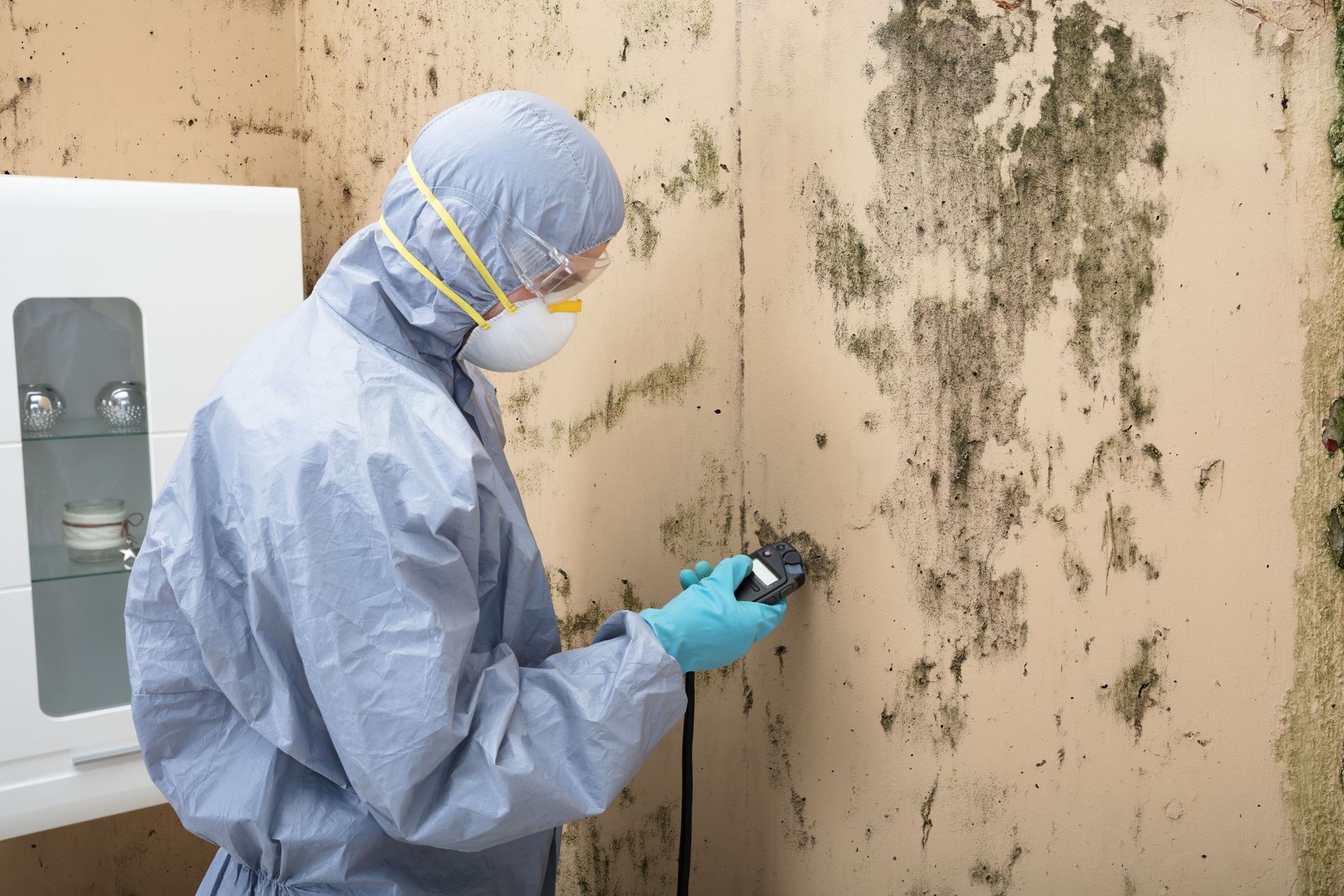
Confirming water damage behind walls can be executed with the help of moisture meters. These specialized tools detect moisture levels within materials, providing quantitative measures of hydration present in walls. By probing directly into materials, moisture meters identify hidden dampness quickly and efficiently.
Different types of moisture meters offer various functions, including pin-type and pinless models, each designed to meet specific inspection needs. Regular use in potential wet spots informs timely interventions and prevents problems from progressing. Investing in handheld moisture detectors enables early discovery and effective water damage repair.
Moreover, these devices provide real-time analysis, preventing unnecessary dismantling or exploratory demolition. Homeowners can confidently isolate areas of concern for further investigation or repair. Employing moisture meter readings supports a proactive approach, efficiently managing water damage issues before they become unmanageable. The utilization of such tools simplistically integrates with routine property inspections.
3.2 Thermal Imaging Technology
Thermal imaging technology serves as a sophisticated solution for detecting hidden water damage. Infrared cameras capture the temperature variations caused by moisture, revealing unseen leaks or wet spots behind walls. This valuable technology delivers visual insights beyond what the naked eye could discern.
As moisture evaporates, it creates cooler spots, which thermal imaging captures effectively. These temperature discrepancies highlight potential problematic areas without needing invasive testing. Using this technology aligns with forward-thinking water damage repair protocols by emphasizing non-destructive methods.
Furthermore, thermal imaging facilitates rapid diagnoses, translating to faster remediation and reduced property damage. Real-time imaging ensures decisions and repairs are data-driven and accurate. Integrating such advanced technology sets a solid foundation for comprehensive water damage management and ongoing preventative care.
Understanding and addressing hidden water damage is imperative to preserving the safety and value of your home. Such damage poses risks that range from structural integrity issues to potential health concerns due to mold growth. With knowledge of detection and repair strategies, water damage can be effectively managed to prevent serious consequences. Proactive measures and timely intervention not only protect investment value but also enhance overall home safety and comfort. Reach out to A & A Property Restoration today to see how we can help you!