October 29, 2026
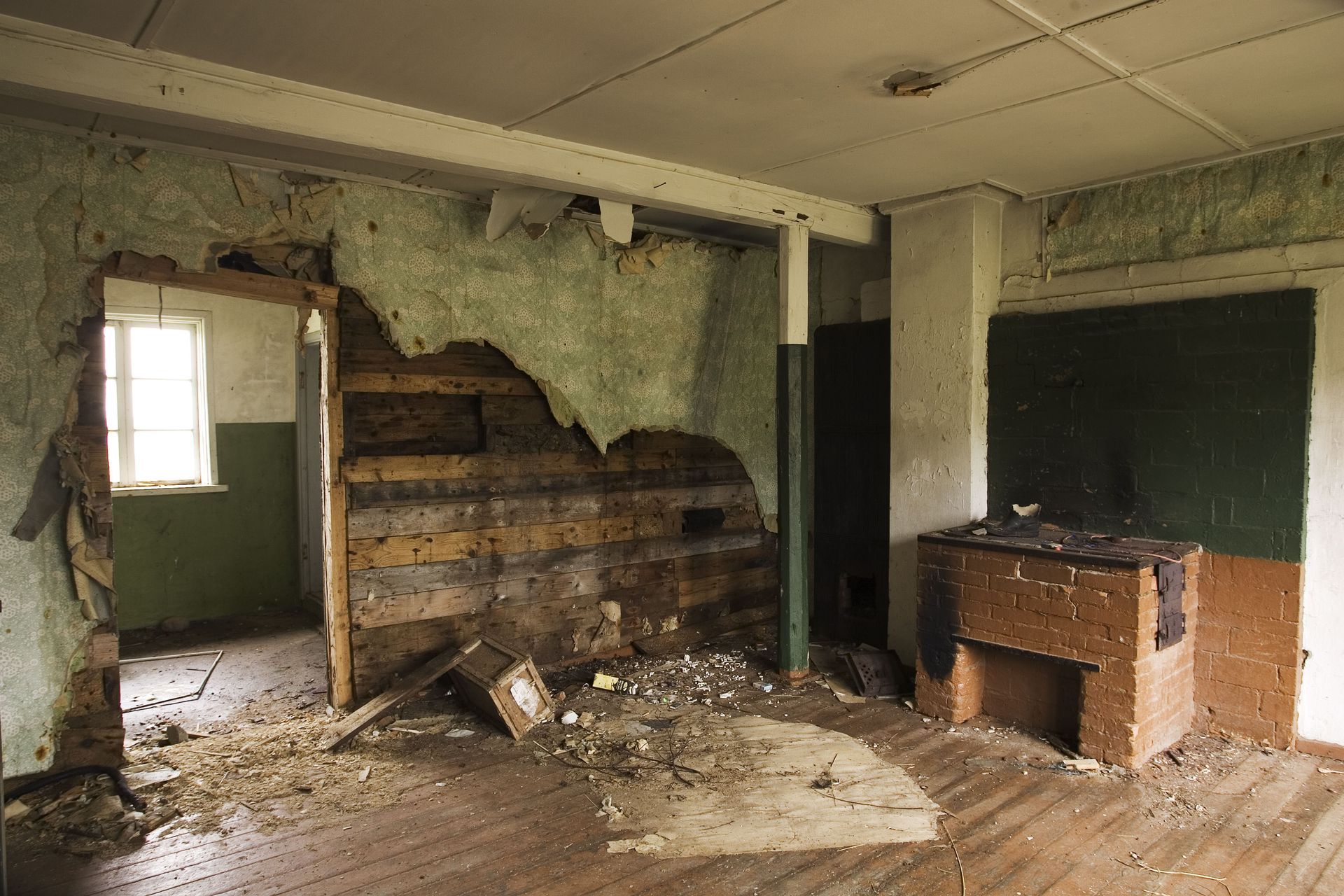
Experiencing a residential fire is one of the most stressful and overwhelming events a homeowner can endure. Once emergency first responders extinguish the flames and clear the property, property owners are often left facing extensive structural destruction, dark soot deposits, and severe water damage from firefighting efforts. Attempting to manage the cleanup independently can lead to further property degradation and health risks from residual toxic contaminants. Experienced specialists step in during these critical moments to secure the property, stabilize weakened building components, and create a comprehensive recovery plan. Professional specialists guide families through every phase of property recovery, turning a chaotic site into a safe, habitable home once again. Understanding how expert teams approach emergency mitigation, structural cleaning, and rebuilding helps property owners navigate the post-fire recovery process with clarity and confidence.
Understanding the Common Origins and Immediate Impact of Residential Fires
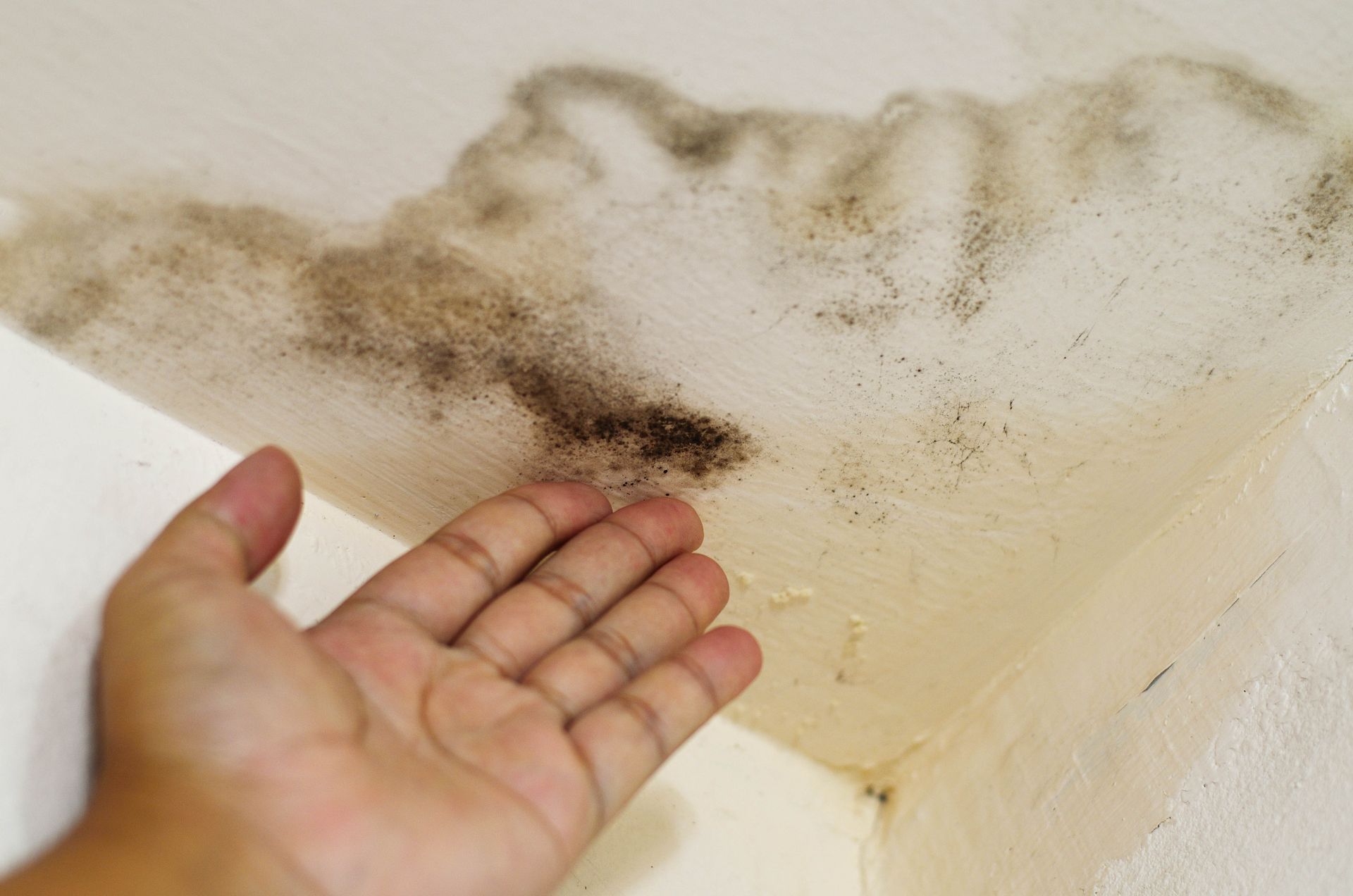
Residential fires can ignite from various household sources, including cooking appliances, heating equipment, unattended candles, and faulty internal wiring. According to the United States Consumer Product Safety Commission, electrical failures and issues cause nearly 51,000 residential fires each year. Regardless of how a blaze begins, the resulting damage extends far beyond the immediate burn zone as flames, heat, smoke, and pressurized water interact with building materials. Smoke carries microscopic soot particles and corrosive chemical byproducts into pristine rooms, settling deep into carpets, drywall, and hidden wall cavities. Furthermore, the immense volume of water used by fire departments saturates flooring, framing, and insulation, creating an immediate risk for rapid mold growth. Engaging qualified fire restoration contractors ensures that both visible structural damage and hidden secondary contamination are addressed thoroughly from the start.
Securing the Property and Preventing Secondary Environmental Damage
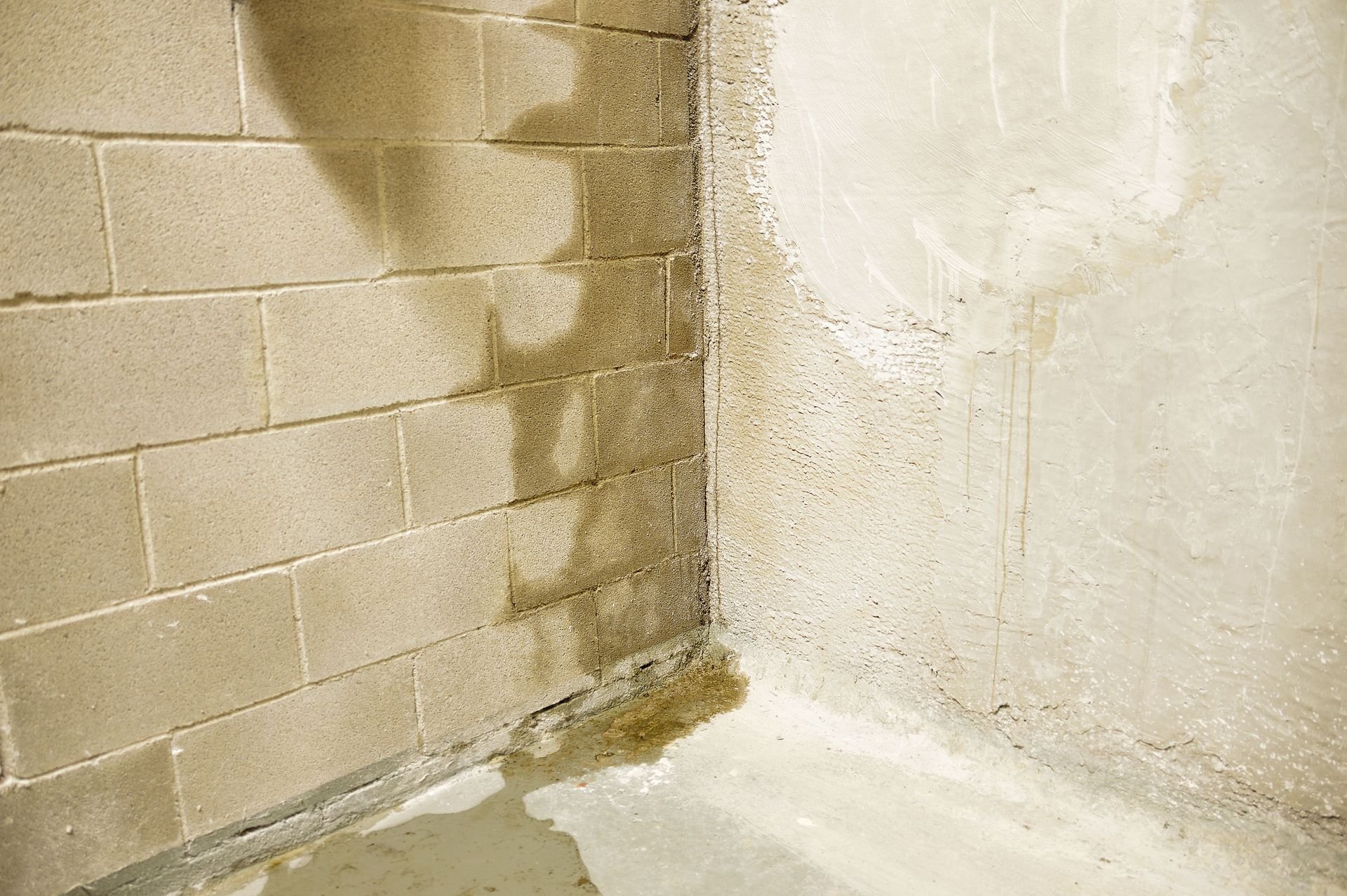
Immediately following the clearance of a fire scene by municipal authorities, securing the structure is essential to protect the property from weather intrusion and vandalism. Professional technicians arrive on-site promptly to board up shattered windows, seal damaged roof openings with heavy-duty tarps, and support compromised load-bearing walls. Removing standing water used during firefighting operations is an equally critical step to prevent subfloors and wall framing from warping or rotting. High-capacity water extractors, industrial dehumidifiers, and air movers are deployed immediately to dry out moisture-laden building materials. Taking swift action to secure the exterior envelope and extract residual water prevents secondary structural collapse and mold colonization. Securing the perimeter rapidly allows fire restoration contractors to establish a controlled environment for detailed inspection and safe cleanup operations.
Conducting Comprehensive Damage Assessments and Mitigation Planning
Before any physical restoration work commences, specialists perform an exhaustive inspection to document the full scope of structural, atmospheric, and contents damage. Technicians evaluate framing stability, assess electrical system safety, inspect HVAC ductwork, and classify affected materials based on their degree of exposure. This initial evaluation forms the basis of a detailed remediation plan tailored to the specific needs of the building and its occupants. Restoration professionals also work closely with insurance adjusters, providing line-item estimates and photographic evidence to streamline the claims approval process. Transparent communication between restoration specialists, property owners, and insurance representatives eliminates guesswork and accelerates recovery timelines. Detailed assessments conducted by fire restoration contractors ensure that no hidden smoke pockets or structural weaknesses are overlooked during the remediation process.
Decontaminating Interior HVAC Systems and Ventilation Networks
During a residential fire, forced-air heating and cooling systems actively draw in smoke, soot particles, and airborne toxins, distributing contaminants throughout the entire home's ductwork. Even after surface soot is removed from living areas, turning on an uncleaned HVAC system can redistribute lingering smoke odors and hazardous particulate matter across every room. Technicians perform deep mechanical cleaning of air ducts, registers, blower motors, and heat exchangers using specialized rotary brushes and high-efficiency particulate air vacuums. Applying EPA-registered antimicrobial sealants inside duct passages neutralizes embedded odors and prevents future airborne contamination. Decontaminating ventilation networks alongside surface remediation preserves indoor air quality once the home is reoccupied. Specialized HVAC decontamination performed by fire restoration contractors protects HVAC equipment and restores clean airflow throughout the property.
Removing Soot Residue and Eliminating Pervasive Smoke Odors
Soot residue is highly acidic and corrosive, meaning it will permanently stain and degrade synthetic fabrics, metal fixtures, painted walls, and home appliances if allowed to sit. Different types of fires produce distinct soot deposits, ranging from dry, powdery residues left by high-heat wood fires to sticky, oily films caused by slow-burning synthetic materials. Restoration technicians utilize specialized chemical sponges, thermal foggers, and ultrasonic cleaning equipment designed specifically for distinct soot classifications. Neutralizing pervasive smoke odors requires advanced air scrubbing techniques using ozone generators or hydroxyl technology to break down odor-causing molecules at a molecular level rather than merely masking the scent. Utilizing industrial-grade deodorization methods ensures that interior air quality is restored to healthy, breathable standards. Thorough soot extraction performed by fire restoration contractors protects valuable finishes and restores indoor air quality.
Restoring Personal Belongings Through Professional Contents Management
A house fire affects not only the physical building envelope but also the personal possessions, heirlooms, furniture, and clothing contained within the home. Contents restoration specialists carefully pack, inventory, and transport salvageable items to a secure, climate-controlled facility for specialized cleaning and deodorization. Advanced techniques such as freeze-drying for water-damaged documents, ultrasonic baths for delicate items, and specialized dry cleaning for textiles can restore many items previously thought to be unsalvageable. Belongings that suffer irreversible heat or chemical damage are cataloged meticulously to assist property owners with their personal property insurance claims. Storing cleaned possessions securely off-site keeps them safe while heavy structural repairs take place at the residence. Partnering with experienced fire restoration contractors gives homeowners the best possible chance of recovering cherished family possessions.
Executing Structural Repairs and Complete Home Reconstruction
Once soot is removed, odors are eliminated, and structural framing is dried completely, the final phase of property recovery shifts to actual building reconstruction. Depending on the severity of the blaze, structural repairs can range from replacing damaged subflooring and drywall to completely rebuilding destroyed roof trusses, exterior walls, and room additions. Fully licensed restoration firms seamlessly transition from mitigation specialists to general contractors, overseeing electrical rewiring, plumbing installations, insulation replacement, and fine carpentry. Working with a single turnkey service provider for both cleanup and rebuilding ensures continuity, maintains quality control, and eliminates scheduling conflicts between separate trades. Bringing the building back to pre-loss condition—or better—completes the physical transformation of the property. Dedicated fire restoration contractors ensure that final building repairs comply with modern building codes and structural safety standards.
Restoring Comfort and Long-Term Peace of Mind
Rebuilding after a devastating residential fire involves far more than simply replacing damaged lumber, drywall, and interior finishes; it is about restoring a sense of safety, comfort, and normalcy for the affected family. Navigating insurance claims, municipal permits, structural engineering reviews, and material selections can feel exhausting for property owners dealing with sudden displacement. Professional restoration teams act as trusted advisors throughout the entire ordeal, managing complex technical logistics while keeping homeowners informed at every major milestone. Knowing that certified professionals have eliminated hazardous residues, stabilized framing, and restored healthy indoor air provides lasting psychological comfort. Completing the restoration process transforms a damaged site back into a secure home where families can resume their daily lives. Relying on skilled fire restoration contractors provides the guidance, craftsmanship, and support necessary to turn a major property disaster into a successful recovery story.
A house fire is a life-altering event, but working with the right recovery specialists makes the path to full restoration manageable and stress-free. From emergency board-up services and structural drying to advanced soot removal, contents cleaning, and complete architectural rebuilding, professional teams handle every technical detail required to restore a property safely. Prompt intervention minimizes secondary damage, preserves salvageable personal belongings, and prevents long-term environmental hazards inside the home. Selecting a licensed, experienced restoration team guarantees that your home is rebuilt to the highest safety and craftsmanship standards. Contact A & A Property Restoration today to begin your recovery process and receive expert support in restoring your home to pre-loss condition!